
Injured on a Fishing Charter or Boat Tour in Ontario: Passenger Claims and Insurance
Yes. A person injured on a fishing charter, sightseeing boat, water taxi or other paid boating excursion in Ontario can bring a claim where unsafe operation, poor maintenance, unsafe boarding procedures or another negligent act caused the injury. Depending on the type of operation, federal passenger-vessel insurance rules can also require liability coverage for death or personal injury claims.
A paid boating trip is different from a casual ride on a friend’s boat. The operator is offering a service to passengers and passengers are usually relying on the operator to provide a safe vessel, competent navigation, safe boarding and disembarking, proper instructions and an appropriate response to weather, water conditions and emergencies.
Foster Injury Law is able to represent people and families in serious boating injury claims across Ontario. Learn more about claims handled by our Ontario boating injury lawyers.
Why a Paid Boat Trip Is Different From a Ride on a Friend’s Boat
Many boating injuries happen in private recreational settings. Someone goes out on a friend’s boat, attends a cottage weekend or joins a family trip on the water. Those cases can still lead to claims, but there is a higher standard of care when a company is earning money from a commercial or paid boating trip.
Fishing charters, sightseeing boats, guided excursions, resort boat tours and water taxis are usually organized by someone who controls the vessel, sets the route, decides if conditions are safe and instructs the passengers. This means that passenger forfeit control over how the boat is operated. They rely on the operator’s experience and judgment.
Additionally, commercial operators could have booking records, passenger lists, maintenance records, safety procedures, insurance documents, incident reports and crew information. Those records can help show what happened and whether the operator met the standard expected of someone carrying passengers by water.
Who Is Responsible: The Captain, Charter Company, Resort or Vessel Owner?
One of the first questions after an injury on a paid boating trip is who was actually responsible for the operation. The person driving the boat might not be the only relevant party. A claim can involve the captain, the charter business, the owner of the vessel, a resort, a marina, a tour company or another business that organized or advertised the trip.
This is why proper investigation is importance as the entity that took the booking is not always the same person who owned the boat or operated it on the water. A passenger might book through a website, pay a charter business, meet the captain at a marina and ride on a vessel owned by someone else.
After a serious injury, those relationships should be identified early. The booking confirmation, receipt, waiver, advertisement, vessel name, business name, operator’s name and insurance documents can all help show who was involved.
If the injury involved poor maintenance, the vessel owner may be important. If the accident happened during boarding at a resort dock, the resort’s procedures and dock conditions may matter.
A serious passenger injury should be assessed by asking, “Who was driving?”, but also: who controlled the trip, the vessel, the boarding process, the route, the safety procedures and the insurance?
When Can a Fishing Charter or Boat Tour Operator Be Responsible?
Passenger injury lawsuits can arise when the operator’s conduct caused the accident or made the injury worse. That can include unsafe navigation, travelling too quickly for weather or water conditions, failing to keep a proper lookout, colliding with another vessel or object, failing to respond to a hazard, or continuing a trip when conditions made it unsafe.
Not every injury on a boat is caused by negligence and worthy of lawsuit. Boats move. Surfaces can be wet. Passengers can lose balance. The issue is whether the operator did something unsafe, failed to take a reasonable precaution, or exposed passengers to a danger that should have been avoided.
A claim could also arise from the way passengers are brought on or off the vessel. Boarding at a dock, stepping between a dock and boat, using a ladder, moving over uneven surfaces, or disembarking in rough conditions can be dangerous if passengers are not properly instructed or assisted.
The operator’s responsibility can extend beyond driving the vessel. Maintenance, staffing, safety equipment, passenger instructions and emergency response can all matter.
Injuries During Boarding or Getting Off the Boat
Some charter and tour boat accident injuries happen before the vessel is underway. A passenger can be injured while stepping from a dock to the boat, climbing down into the vessel, boarding from an unstable platform, exiting after the trip, or trying to move between the boat and dock while the vessel is shifting in the water.
These incidents can be serious. A passenger can fall between the boat and dock, strike their head, fracture a wrist or ankle, injure a shoulder, or fall into the water.
The legal issue is often practical. Was the boat secured properly? Were passengers told when and where to step? Was assistance provided where needed? Was the gap between the dock and vessel unsafe? Were passengers allowed to board or disembark in conditions that made the process dangerous?
A commercial operator should have a safe process for getting passengers on and off the vessel. If the injury happened during boarding or disembarking, the dock layout, weather, wave action, instructions, crew assistance and witness evidence can all be important.
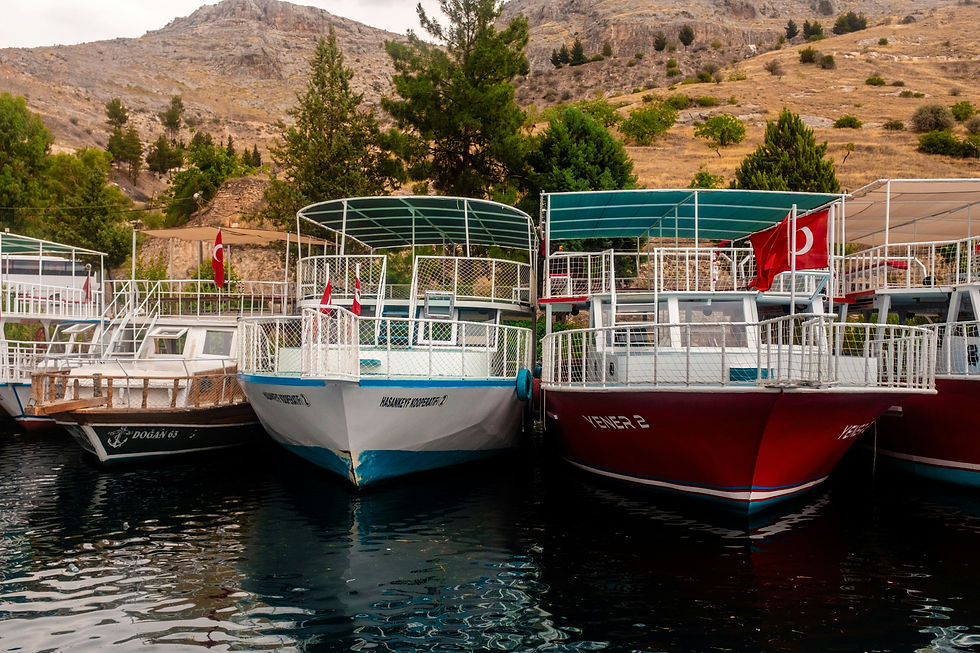
Injuries During a Fishing Charter
Fishing charters create injury risks that are different from an activity like a sightseeing trip. Passengers are moving around the vessel with fishing rods, hooks, lines, tackle boxes, coolers and equipment on deck. The boat may be travelling to fishing locations, stopping, drifting, anchoring or moving suddenly in response to wind, waves or other vessels.
The charter operator can be responsible where an injury is caused by unsafe operation, poor deck organization, failure to warn passengers about movement of the vessel, unsafe equipment, or failure to respond properly to worsening weather or water conditions.
The fact that a passenger was fishing does not mean the operator has no responsibility. A charter customer is still relying on the operator to control the vessel safely and provide reasonable instructions about how to move around the boat.
Relevant evidence can include photographs of the deck, the placement of equipment, passenger instructions, weather and water conditions, the operator’s experience, and whether the trip continued after conditions became unsafe.
Injuries on Sightseeing Boats, Boat Tours and Water Taxis
A sightseeing boat, lake tour, island shuttle or water taxi can involve passengers who have little boating experience. Some passengers may be children, older adults, tourists or people unfamiliar with boarding, seating, moving around the vessel or reacting to sudden movement.
These trips can lead to claims where passengers are injured because the operator failed to control the vessel safely, failed to give reasonable safety instructions, overcrowded the boat, failed to manage passenger movement, or operated in conditions that should have changed or cancelled the trip.
The passenger’s role is usually passive. They are being transported or taken on an organized excursion. That makes the operator’s decisions about route, speed, staffing and safety especially important.
Where the trip was operated by a resort, tourism business, marina or organized service, there may be records that do not exist in an informal boating accident. Booking records, advertisements, passenger capacity information, crew details, safety procedures and proof of insurance should be preserved.
Rented jet skis can present similar liability issues. Learn more about jet-ski injury claims.
What Insurance Must a Passenger Vessel Operator Carry?
Insurance is one of the most important differences between a private boating injury and an injury on a paid passenger trip. Federal regulations require operators carrying passengers by water to maintain liability insurance for death or personal injury claims. Where the regulations apply, the required coverage is at least $250,000 multiplied by the passenger capacity of the ship.
That means passenger capacity can be an important issue in a lawsuit. For example, where the regulations apply, a vessel with capacity for four passengers would require at least $1 million in coverage, and a vessel with capacity for ten passengers would require at least $2.5 million. The issue is not simply how many people happened to be on board that day. The regulation looks to the passenger capacity of the ship.
The operator required to maintain the coverage must ensure that proof of insurance is carried on board. After a serious injury, that certificate or proof of insurance should be requested early. The insurance issue can be critical bsince it may identify whether there is a practical source of recovery in significant claims.
The rule also does not mean that every situation involving a person on a boat is automatically covered by the compulsory insurance regulations. The legal characterization of the trip, the operator, the vessel and the purpose of the voyage can matter. But where a person was injured while being carried as a passenger for a commercial or public purpose, passenger-vessel insurance should be investigated promptly.
Why Passenger Capacity Matters After a Serious Injury
A passenger who suffers a severe brain injury, spinal injury, fracture requiring surgery, drowning-related injury or permanent disability may have losses far beyond the cost of the trip. Treatment, rehabilitation, future care, lost income and reduced earning capacity can be substantial.
If the operator was required to maintain insurance based on passenger capacity, the available coverage may be higher than what a person would expect from an ordinary private boat policy. That is why the vessel’s approved or stated passenger capacity should be confirmed early.
Passenger capacity can appear in vessel documents, inspection records, operator materials, safety documents, advertisements, signage or insurance documents. In some cases, the way the business advertised the trip may also help establish the nature of the operation and the number of passengers it was prepared to carry.
What if the Operator Says You Signed a Waiver?
Fishing charters and boat tours sometimes require passengers to sign a waiver before the trip. Waivers should be reviewed carefully, as they can sometimes bar a claim, but often do not do so. Its effect depends on its wording, how it was presented, what risks it addressed, whether the passenger had reasonable notice of it, and the circumstances of the injury.
Waiver issues are fact-specific. A passenger may have accepted some ordinary risks associated with being on the water. That is different from assuming that every negligent act by an operator is protected. Additionally children cannot usually have their rights waived by their parents or themselves in pediatric injury cases.
It can also be relevant whether a waiver was brought to the passenger’s attention before payment, whether it clearly addressed the risk that caused the injury, whether the passenger had time to review it, and whether the injury involved conduct beyond what the waiver reasonably covered.
If passengers are seriously injured, the waiver should be examined as part of the case, but potential plaintiffs should not assume it bars a lawsuit.
Does the Marine Liability Act Apply to a Charter or Boat Tour Injury?
A serious injury on a fishing charter, sightseeing boat, water taxi or other passenger vessel can raise issues under the federal Marine Liability Act.
The Act can affect claims involving passengers, maritime liability and limits on recovery. These issues can be especially important where the injuries are permanent or where the passenger requires long-term treatment, care or income replacement.
In a serious boating injury case, the applicable maritime law, available insurance and potentially responsible parties should be assessed early.
Our separate article explains how the Marine Liability Act affects boating accident claims in Ontario in greater detail.
What Evidence is Important After an Injury on a Fishing Charter or Boat Tour?
Commercial boating cases will usually involve records that should be preserved before they disappear. Important evidence can include the booking confirmation, receipt, waiver, passenger list, name of the operator, vessel information, insurance certificate, photographs of the vessel or dock, incident reports, maintenance records, weather and water conditions, witness names, videos, advertisements for the trip, and communications with the operator before or after the injury.
If the injury happened while boarding or getting off the boat, photographs of the dock, gap, ladder, step, handholds, footwear conditions and water movement can be important. If the injury happened during the trip, the route, speed, weather, passenger instructions and crew response can matter.
If the insurance is relevant, documents showing passenger capacity and proof of insurance should be requested early. The relationship between the captain, charter company, resort, marina and vessel owner should also be documented.
Speak With an Ontario Boating Accident Lawyer
Injuries on fishing charters and boat tours can become complex from a legal perspective. The claim might require investigations into the operator’s safety practices, the vessel, crew instructions, passenger insurance, boarding procedures, weather decisions and federal maritime law.
Foster Injury Law's Ontario personal injury lawyers are able to represent seriously injured people and families across Ontario in boating accident claims.
If you or a family member was seriously injured on a fishing charter, boat tour, water taxi or other paid boating excursion, contact our Ontario boating accident lawyers for a free consultation. We act on a contingency fee basis, meaning you do not pay legal fees unless we successfully resolve your claim.
Written by Lane Foster, Personal Injury Lawyer


