
Ontario Amputation Injury Lawyers
Amputation and limb loss injuries are among the most serious outcomes of a traumatic accident. These injuries often result in permanent disability, extensive medical treatment, and significant long-term financial and personal consequences. At Foster Injury Law, our Ontario personal injury lawyers can represent individuals across Ontario who have suffered amputation injuries as a result of negligence, including motor vehicle collisions, motorcycle accidents, boating accidents, pedestrian incidents, and other catastrophic events.
What Is an Amputation Injury?
An amputation injury involves the full or partial loss of a limb or extremity, either at the time of the accident (traumatic amputation) or through surgical removal required due to the severity of the injury. In serious cases, the damage to bone, tissue, nerves, and blood supply is so significant that the limb cannot be salvaged.
Common examples include:
-
Loss of a leg, including below-knee (trans-tibial) and above-knee amputations
-
Loss of an arm or hand
-
Partial amputations involving fingers or toes
-
Crush injuries resulting in non-viable limbs
-
Severe orthopedic trauma requiring surgical amputation
These injuries are typically associated with high-force trauma and often involve long-term functional limitations.
Amputation Injuries and Catastrophic Impairment in Ontario
Under Ontario’s accident benefits system, catastrophic impairment is defined in section 3.1(1) of the Statutory Accident Benefits Schedule. For amputation and limb loss injuries, the Regulation through Criterion two specifically provides: “Severe impairment of ambulatory mobility or use of an arm, or amputation that meets one of the following criteria:
i. Trans-tibial or higher amputation of a leg.
ii. Amputation of an arm or another impairment causing the total and permanent loss of use of an arm.”
This legal test is discussed further in our blog post Does an Amputation Qualify as Catastrophic Impairment in Ontario?
In addition, some amputation injuries may qualify as catastrophic under the broader impairment provisions, including where: “a physical impairment or combination of physical impairments… results in 55 per cent or more physical impairment of the whole person.”
In practical terms, this means that amputation injuries may meet the catastrophic threshold either through specific listed criteria or through an overall assessment of their impact on mobility, independence, and daily functioning.
A catastrophic designation is significant because it increases access to medical, rehabilitation, and attendant care benefits under Ontario’s accident benefits system.
How Amputation Injuries Occur
Amputation injuries are most often associated with high-impact or crushing trauma. Common causes include:
-
Motor vehicle collisions involving severe force or vehicle intrusion
-
Motorcycle accidents where riders are unprotected
-
Bicycle accidents involving run-over or crushing mechanisms
-
Boating accidents
-
Collisions involving transport trucks or commercial vehicles
-
Industrial or machinery-related incidents
These cases frequently involve complex liability issues and require detailed investigation into how the injury occurred.
Long-Term Impact of Limb Loss
The consequences of an amputation extend well beyond the initial injury. Individuals may experience:
-
Multiple surgeries and ongoing medical care
-
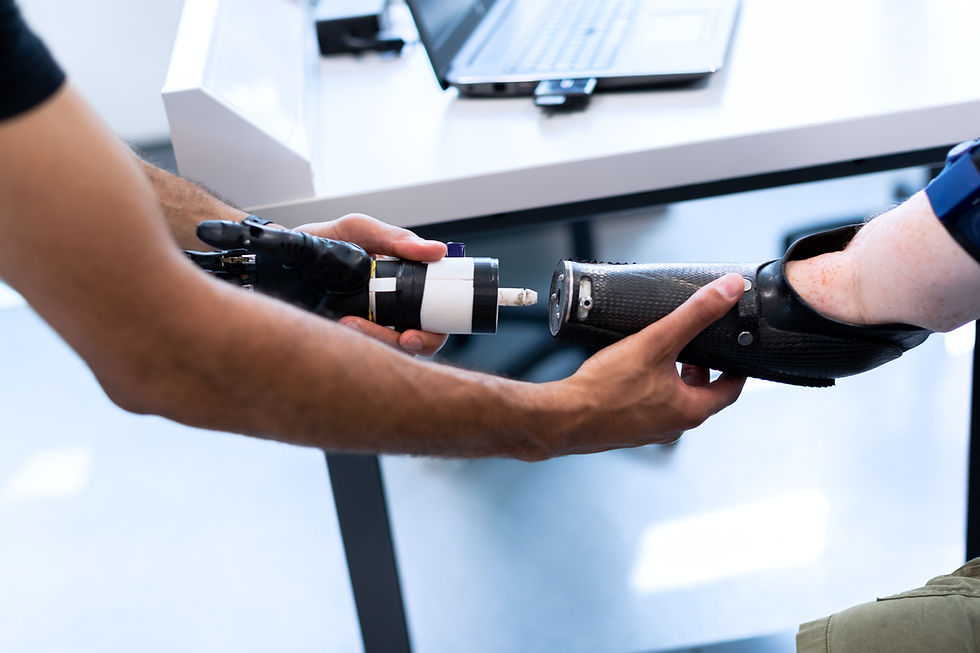
Prosthetic fitting, replacement, and maintenance over time
-
Reduced mobility and loss of independence
-
Inability to return to previous employment
-
Chronic pain, including phantom limb pain
-
Psychological and emotional impacts
These long-term effects are central to the legal assessment of damages in an amputation injury claim.
Amputation and Other Catastrophic Injuries
Amputation injuries are often considered alongside other forms of catastrophic impairment, including traumatic brain injuries and spinal cord injuries, due to their long-term impact on function and independence.
While the nature of these injuries differs, they share common features, including permanent impairment, the need for ongoing medical care and rehabilitation, and significant effects on a person’s ability to work and carry out daily activities. They also each involve significant psychological consequences as victims work to adapt to their new lives.
In cases involving limb loss, this may include long-term reliance on prosthetics, ongoing treatment, and adjustments to mobility and daily functioning over time.
Compensation for Amputation Injuries in Ontario
Individuals who suffer amputation injuries may be entitled to very significant compensation through both accident benefits and a lawsuit, depending on the circumstances of the accident.
Compensation may include:
-
Medical and rehabilitation expenses
-
Attendant care and support services
-
Income replacement and loss of future earning capacity
-
Prosthetic and assistive device costs
-
Pain and suffering
-
Loss of enjoyment of life
Because these claims often involve significant long-term costs, they require careful assessment and supporting medical and vocational evidence.
Support and Rehabilitation Resources
In addition to medical and legal support, individuals who have experienced limb loss may benefit from specialized rehabilitation programs and community resources.
Organizations such as The War Amps provide assistance, advocacy, and programs for amputees across Canada, including support for prosthetics, peer connections, and long-term adjustment following limb loss.
Access to appropriate support helps the injured individuals and their families with both recovery and long-term quality of life.
Why Amputation cases are legally complicated
Amputation injuries often involve more than a single negligent act. In many cases, there are overlapping causes and multiple parties who may share responsibility.
For example, a machinery-related incident may involve issues with equipment design, maintenance failures, inadequate training, or unsafe work practices. Identifying all responsible parties and preserving critical evidence early is an important part of building a strong claim.
Amputation Injury Claims in Ontario - Common Questions
Does a below-knee amputation automatically qualify as catastrophic impairment in Ontario?
A below-knee (trans-tibial) amputation is specifically identified in the Statutory Accident Benefits Schedule as a type of impairment that may meet the catastrophic threshold. However, whether the designation applies depends on how the injury is assessed and whether the criteria are satisfied in the particular case.
If an amputation does not meet a listed category, can it still be considered catastrophic?
Yes. Even where an amputation does not fall within a specific category, it may still qualify based on the overall level of impairment, including whether it results in a 55 per cent or greater whole person impairment when assessed under the applicable guidelines.
Who can be held responsible for an amputation injury?
Responsibility depends on how the injury occurred. In addition to drivers, claims may involve employers, contractors, property owners, or equipment manufacturers. In many cases, more than one party may be responsible, particularly where safety failures or defective equipment are involved.
What types of evidence are important in an amputation injury case?
These claims often require detailed medical evidence, including surgical and rehabilitation records, as well as expert opinions regarding long-term functional impact. In some cases, engineering or workplace safety evidence may also be required to establish how the injury occurred.
How do prosthetic and long-term care costs affect a claim?
Prosthetic devices typically require replacement over time and may involve ongoing maintenance and adjustment. When combined with rehabilitation, support services, and potential loss of earning capacity, these long-term costs are a central component of the overall claim.
Are amputation injury cases usually resolved quickly?
Not typically. Because these cases involve significant injuries and long-term consequences, they often require time to fully assess medical recovery, long-term needs, and the extent of impairment before they can be properly resolved.
Legal Representation for Serious Injury Claims
Amputation cases are among the most complex personal injury claims in Ontario. They often involve detailed medical evidence, long-term care planning, and disputes with insurers regarding the level of impairment and required support.
At Foster Injury Law, we represent individuals across Ontario who have sustained serious and life-changing injuries such as amputation. Our focus is on ensuring that clients have access to the resources and compensation they need to move forward after a catastrophic injury.
Complete this form and someone from our office will contact you to arrange a free consultation. We work on a contingency basis, meaning you do not have to pay unless we resolve your claim successfully.
Contact Us
