
Can Hormone Problems Happen After a Traumatic Brain Injury? Post-Traumatic Hypopituitarism Explained
Yes. A traumatic brain injury can damage the pituitary gland or the structures that control it, leading to hormone deficiencies after the accident. The condition is called post-traumatic hypopituitarism.
It is an easy complication for doctors to miss - especially early on. A person recovering from a serious brain injury is expected to be tired, slower mentally and unable to tolerate the same level of work or activity. If that person also develops cortisol deficiency, thyroid hormone deficiency, growth hormone deficiency or reduced sex hormone production, the symptoms can blend into the broader brain injury presentation.
Persistent exhaustion is not always simply part of the TBI itself . Neither are sexual dysfunction, menstrual changes, unusual thirst and urination, unexplained weight changes or a recovery that has stalled without a clear reason.
For people facing the long-term effects of a serious brain injury, our Ontario brain injury lawyers investigate the initial neurological injury as well as complications that affect recovery, employability and future care.
What Is Post-Traumatic Hypopituitarism?
The pituitary gland is a small structure at the base of the brain. Despite its size, it plays a central role in the body’s hormone system. It helps regulate cortisol, thyroid function, growth hormone, testosterone and estrogen production, fertility and water balance.
When traumatic brain injuries interferes with one or more of these hormonal pathways, the condition called post-traumatic hypopituitarism, or PTHP.
The injury does not always declare itself immediately. Some hormonal disturbances occur during the acute hospital period. Others only become apparent months later, when the person is trying to return to work, rebuild strength or understand why recovery has levelled off.
The British Neurotrauma Group guidance on pituitary dysfunction after traumatic brain injury describes PTHP as a recognized but potentially underdiagnosed consequence of TBI that can interfere with physical recovery, psychological health, rehabilitation and quality of life.
How Does a Brain Injury Affect the Pituitary Gland?
The pituitary gland connects to the hypothalamus by the pituitary stalk. Hormonal control depends on that connection and on a delicate blood supply. Serious head trauma can interfere with either.
Serious head trauma is able to affect the pituitary system through direct injury, damage to the pituitary stalk or hypothalamus, or disruption of the small blood vessels that supply these structures. In more severe injuries, bleeding, swelling, reduced oxygen or increased pressure inside the skull can also contribute to hypothalamic-pituitary dysfunction.
The initial hospital records will often focus on the obvious emergency: a subdural hematoma, cerebral contusions, traumatic subarachnoid hemorrhage, skull fracture or brain swelling. Hormonal damage is rarely the first issue discussed with the family. It becomes important later, once the person survives the acute injury but struggles to recover as expected.
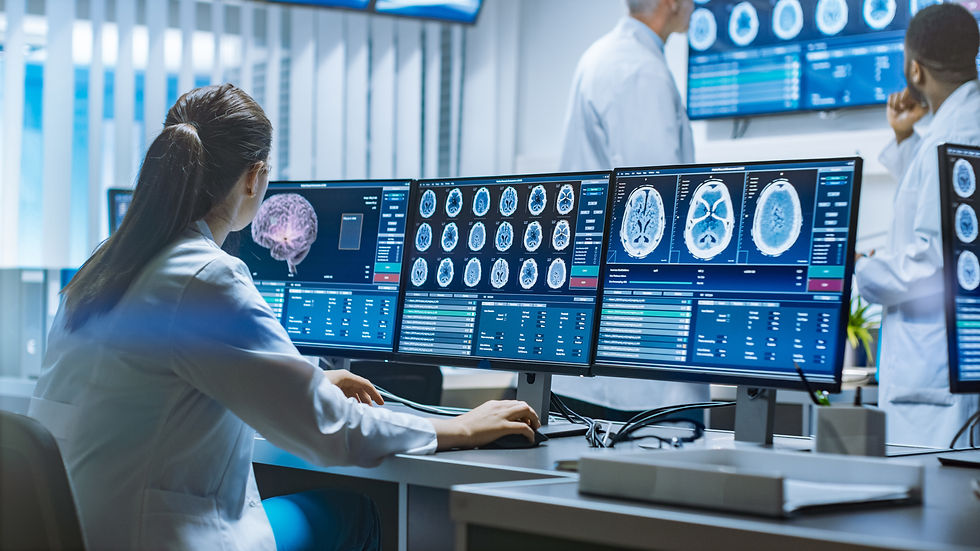
MRIs can sometimes identify abnormalities affecting the pituitary region or other findings associated with serious TBI. It does not diagnose hormone deficiency on its own. The diagnosis depends on symptoms, laboratory testing and specialist interpretation.
For more detail about the terminology used in serious traumatic brain injury scans, see our guide to what MRI and CT scans show after a traumatic brain injury.
What Hormone Problems Can Follow a Traumatic Brain Injury?
An individuals symptoms depend on which hormone pathway is affected. Some deficiencies are subtle and gradually undermine rehabilitation. Others can become medically urgent.
Growth hormone deficiency
In adults, growth hormone deficiency does not present as a growth problem. It can cause profound fatigue, poor exercise tolerance, reduced muscle mass, increased body fat, impaired concentration and difficulty progressing through rehabilitation. It is one of the more frequently identified long-term pituitary problems after TBI.
ACTH deficiency and secondary adrenal insufficiency
ACTH signals the adrenal glands to produce cortisol. If that pathway fails, the person can develop severe weakness, dizziness, low blood pressure, low sodium, nausea or an inability to respond properly to physical stress or illness. This is not merely a quality-of-life issue. Cortisol deficiency can be medically serious and requires prompt assessment.
Central hypothyroidism
Brain injuries can sometimes interfere with the pituitary signal that controls thyroid hormone production. Symptoms can include exhaustion, slowed thinking, cold intolerance, weight change, depressed mood and reduced stamina. Those symptoms are easily mistaken for the ongoing effects of a brain injury.
Low testosterone or other sex hormone deficiencies
Where the pituitary no longer properly controls testosterone or estrogen production, a person can experience reduced libido, erectile dysfunction, menstrual disruption, fertility issues, low energy and changes in strength or mood. These consequences are important medically and can also have a significant effect on relationships and quality of life.
Disrupted water balance
The hypothalamus and posterior pituitary are involved in controlling vasopressin, also called antidiuretic hormone. Damage to this system can lead to central diabetes insipidus, causing severe thirst, excessive urination, dehydration and abnormal sodium levels. In the acute stage of a brain injury, this can require urgent treatment.
Stalled Recovery Is Not Always Explained by the Brain Injury Alone
Post-traumatic hypopituitarism can be missed because it resembles the symptoms doctors and families already associate with TBI. Think about someone who sustained a serious brain injury in a collision. Months later, they remain exhausted, struggle to think clearly, have no stamina and cannot tolerate a return to work.
Those problems could easily be explained by the neurological injury itself. They could also be worsened by growth hormone deficiency, thyroid hormone deficiency or cortisol deficiency.
The same problem can occur when someone develops sexual dysfunction, menstrual changes or unusually poor physical recovery after a brain injury. These issues are not always raised in rehabilitation appointments, and the person can assume there is nothing to investigate.
The point is not that every symptom after TBI is hormonal. Many are not. The point is that endocrine complications should be considered where the injury was serious, recovery is unexpectedly poor, or the symptom pattern suggests a hormone problem.
This is one of the few areas where identifying an additional cause can also lead to additional treatment. The brain injury cannot simply be reversed. A confirmed hormone deficiency can often be medically managed.
Can a Concussion Cause Hormone Problems?
Pituitary dysfunction has been reported after mild traumatic brain injuries, although the evidence is more uncertain and screening is not recommended after every uncomplicated concussion.
The concern is greater where the injury was not uncomplicated: for example, where there were structural abnormalities on imaging, hospitalization, skull fracture, intracranial bleeding or symptoms that continue well beyond the expected recovery course.
People with a concussion who develop severe unexplained fatigue, sexual dysfunction, menstrual changes, major changes in thirst or urination, or a recovery that has stopped making sense should bring those symptoms to a treating physician.
A diagnosis cannot be made from symptoms alone. Fatigue and cognitive difficulty after concussion have many possible explanations. Post-traumatic hypopituitarism requires medical investigation and proper laboratory evidence.
When Should Hormone Testing Be Considered After TBI?
There is no reason to test every person with every head injury. There is also no reason to ignore endocrine symptoms after a serious one. Under the British Neurotrauma Group guidance, adults admitted to hospital for more than 48 hours following a traumatic brain injury should undergo pituitary screening at three to six months after the injury. The guidance also recognizes that people with symptoms suggesting pituitary dysfunction can require investigation even where the original admission was shorter or they were not admitted.
In practice, hormone testing becomes more relevant where the person suffered a moderate or severe TBI, a complicated mild TBI, intracranial bleeding, cerebral contusions, skull fracture, brain swelling or an intensive-care admission.
It also becomes relevant where recovery is accompanied by symptoms that do not fit comfortably within the ordinary rehabilitation picture: severe fatigue, low blood pressure, cold intolerance, sexual dysfunction, menstrual changes, excessive thirst and urination, unexplained weight or body-composition change, or a marked inability to regain strength and stamina.
Testing in the immediate hospital period can be difficult to interpret since critical illness itself affects hormone levels. That does not mean acute symptoms should be ignored. Suspected cortisol deficiency or abnormal water balance can require urgent medical attention.
How Is Post-Traumatic Hypopituitarism Diagnosed?
There is no single scan or symptom checklist that proves post-traumatic hypopituitarism. The diagnosis is based on the injury history, symptoms and hormone testing interpreted by the appropriate physician or endocrinologist.
The workup depends on the concern. Where adrenal insufficiency is suspected, testing can include morning cortisol and further endocrine assessment. Where symptoms point to thyroid dysfunction, testing includes free T4 together with TSH, because a person with central hypothyroidism can have a TSH value that does not look abnormal in the usual way.
Sex hormone investigation can include testosterone, estradiol, LH and FSH, depending on the person and the symptoms. Suspected problems with water balance require assessment of electrolytes and related testing. Possible growth hormone deficiency is more complicated: IGF-1 can form part of the initial investigation, but it does not reliably confirm or exclude the diagnosis after TBI. Dynamic testing can be required.
The American Academy of Physical Medicine and Rehabilitation review of post-traumatic hypopituitarism describes the diagnosis as primarily clinical and biochemical. Imaging has a supporting role in selected cases, but bloodwork and specialist assessment do the central work.
Can Hormone Problems Appear Long After the Accident?
Yes. Pituitary dysfunction is not always recognized in hospital or during the first weeks after the injury. This does not mean the dysfunction was not there early. Sometimes it just is not discovered during the acute phase where other more prominent symptoms are the focus of medical professionals.
Some hormone abnormalities in critically ill patients are temporary. Others persist. In some cases, the person is not investigated until months or years later, after ongoing fatigue, reduced stamina, sexual dysfunction, cognitive slowing or poor rehabilitation progress finally leads someone to ask whether another medical explanation is present.
Delayed recognition can have serious consequences. A person can lose time from work, struggle through rehabilitation and live with symptoms that are assumed to be unavoidable consequences of TBI, when hormone deficiency is contributing to the problem.
A later diagnosis does not automatically establish that every symptom since the accident was endocrine in origin. It does mean the medical record needs to be examined carefully: the original injury, symptoms over time, testing results, treatment response and the opinion of the treating specialists.
How Hormone Dysfunction Can Affect an Ontario Brain Injury Claim
Post-traumatic hypopituitarism adds a very significant medical complication to an already serious brain injury claim.
The most immediate issue is treatment. A person can require endocrinology consultations, repeated bloodwork, hormone replacement therapy and monitoring over time. Beyond treatment expenses, a confirmed hormonal disorder will help explain severe fatigue, impaired stamina, difficulty completing rehabilitation, inability to return to regular work, sexual dysfunction or a need for continuing support.
A diagnosis, laboratory findings, the treating specialist’s opinion and the actual effect of the condition on day-to-day functioning is important to illustrate the full affect of the disorder. Useful evidence in these cases can be found across different parts of a clients' file: acute hospital records, imaging, rehabilitation records, family physician notes, endocrinology reports, laboratory results, medication records, employment evidence and observations from family members who watched the person’s recovery change course.
Serious brain injury cases should not overlook a medically confirmed condition simply because it is less obvious than a brain bleed or seizure disorder. When pituitary damage affects recovery, work capacity or future care, it belongs in the assessment of the injury’s consequences.
Foster Injury Law represents people throughout Ontario who have sustained traumatic brain injuries and serious complications after accidents. Our Ontario brain injury lawyers review the medical record in detail and help develop the evidence required to show the full effect of a serious brain injury.
We offer free personal injury consultations and do not charge legal fees unless the claim is successfully resolved.
Frequently Asked Questions About Hormone Problems After Brain Injury
Can a brain injury damage the pituitary gland?
Traumatic brain injuries can damage the pituitary gland, the hypothalamus, the pituitary stalk or their blood supply. This can interrupt normal hormone regulation and result in post-traumatic hypopituitarism.
Can a traumatic brain injury cause low testosterone?
Yes. A TBI can interfere with the pituitary hormones that regulate testosterone production. Symptoms can include reduced libido, erectile dysfunction, low energy, reduced strength and mood changes. Low testosterone after a brain injury requires medical testing and proper interpretation.
Can hormone problems explain severe fatigue after a brain injury?
They can contribute to it. Fatigue after TBI has many possible causes, including neurological injury, medication effects, sleep problems, depression and deconditioning. Pituitary hormone deficiency is another possibility, particularly after a serious injury or where recovery is unexpectedly poor.
Can a concussion affect hormone levels?
Pituitary dysfunction has been reported after mild traumatic brain injury, but the evidence is less certain than it is after more serious TBI. Broad hormone screening is not recommended after every uncomplicated concussion. Investigation becomes more relevant where symptoms persist, the injury was complicated, or the person develops signs suggesting endocrine dysfunction.
What is post-traumatic hypopituitarism?
Post-traumatic hypopituitarism is the loss or reduction of normal pituitary hormone function after a traumatic brain injury. It can affect energy, thyroid function, cortisol response, sexual function, fertility, body composition and water balance.
How is hypopituitarism diagnosed after a brain injury?
Diagnosis involves a review of the injury and symptoms together with laboratory testing selected by a physician or endocrinologist. Testing can assess cortisol, thyroid hormone, sex hormone regulation, electrolytes and possible growth hormone deficiency.
Can post-traumatic hypopituitarism affect a brain injury claim?
Yes. Where it is medically established and connected to the TBI, post-traumatic hypopituitarism can affect treatment needs, capacity to work, functional independence, future care and the overall assessment of a serious brain injury claim.
Updated May 2026


